When people think of collagen, skincare often comes to mind. But collagen is far more than a beauty buzzword. It’s the most abundant protein in the human body, acting as a vital building block for joints, tendons, skin, bones, and muscles.
If you’ve been wondering “what are the real benefits of collagen?” or “do I need a collagen supplement?” — this guide will give you the facts.
What Collagen Does in the Body
Collagen is a structural protein that provides strength and flexibility throughout the body. Think of it as the scaffolding that keeps everything supported. It makes up:
- Joints and cartilage – cushioning and smooth movement
- Tendons and ligaments – providing strength and elasticity
- Bones – adding structure and resilience
- Skin – maintaining firmness and elasticity
- Muscles and connective tissue – supporting repair and recovery
What Happens to Collagen as We Age?
As we age, our natural collagen production gradually declines. This process actually starts earlier than many people realise — from our mid-20s, collagen levels begin to drop by around 1% each year. By the time we reach our 40s and 50s, the effects often become more noticeable.
This decline can contribute to:
- Joint stiffness and aches – as cartilage thins and loses elasticity
- Slower recovery – with tendons and ligaments less resilient under load
- Skin changes – including fine lines, reduced firmness, and dryness
- Bone weakness – since collagen is an important structural part of bone tissue
Lifestyle factors like smoking, high sugar intake, poor sleep, and excess sun exposure can also speed up collagen loss, while a balanced diet, good hydration, and exercise can help protect it.
Can You Get Collagen From Your Diet?
You can — but it’s indirect. When we eat collagen-rich foods, the protein is broken down into amino acids that the body uses to build new collagen.
Here are some dietary sources that support collagen:
| Source | What It Provides | Examples |
|---|---|---|
| Collagen-rich foods | Direct collagen protein (broken down in digestion) | Bone broth, chicken skin, pork skin, fish skin, gelatin |
| Protein-rich foods | Amino acids to build collagen | Eggs, dairy, lean meats, legumes |
| Vitamin C foods | Essential for collagen synthesis | Citrus, berries, bell peppers, broccoli, kiwi |
| Zinc-rich foods | Supports tissue repair | Meat, shellfish, seeds, nuts |
| Copper-rich foods | Strengthens collagen fibres | Nuts, seeds, shellfish, organ meats |
Eating a balanced diet that includes these foods gives your body the raw materials to keep producing collagen naturally.
The Role of Antioxidants in Protecting Collagen
It’s not just about eating enough protein or collagen-rich foods — protecting the collagen you already have is just as important. This is where antioxidants come in.
Free radicals (unstable molecules created by stress, pollution, UV light, and even normal metabolism) can damage collagen fibres, speeding up the loss of elasticity in both skin and joints.
Antioxidants help by neutralising free radicals, reducing their impact on the body. Foods rich in antioxidants include:
- Colourful fruits like berries, cherries, and grapes
- Vegetables such as spinach, kale, and broccoli
- Green tea and herbal teas
- Nuts and seeds
- Even small amounts of dark chocolate
💡 Top tip: Pair a collagen supplement with a diet rich in antioxidants to support your body’s natural defences and protect collagen from damage.
Want to dive deeper? Learn more about the role of antioxidants here.
Collagen Supplements: Do They Work?
Collagen supplements have gained popularity, but what does the science say?
- Joint health: Collagen peptides may reduce pain and improve mobility in osteoarthritis and active individuals.
- Tendon and ligament support: When combined with exercise, collagen supplementation may help with tissue repair.
- Skin health: Studies show improvements in hydration, elasticity, and firmness.
- Muscle recovery: Some research suggests collagen helps maintain muscle mass and aids recovery after training.
What to Look for in a Collagen Supplement
Not all collagen products are created equal. If you’re considering adding one, here are key factors to check:
- ✅ Hydrolyzed collagen (collagen peptides): Easier for the body to absorb.
- ✅ Scientific evidence: Look for brands with published clinical research.
- ✅ Consistency: Daily use over weeks or months gives the best chance of results.
The Bottom Line
Collagen is so much more than a skin supplement. It plays a crucial role in joints, tendons, bones, and recovery, making it important for anyone who wants to stay active and strong.
You can support your collagen naturally through diet and lifestyle, and some people may also benefit from high-quality collagen supplements.
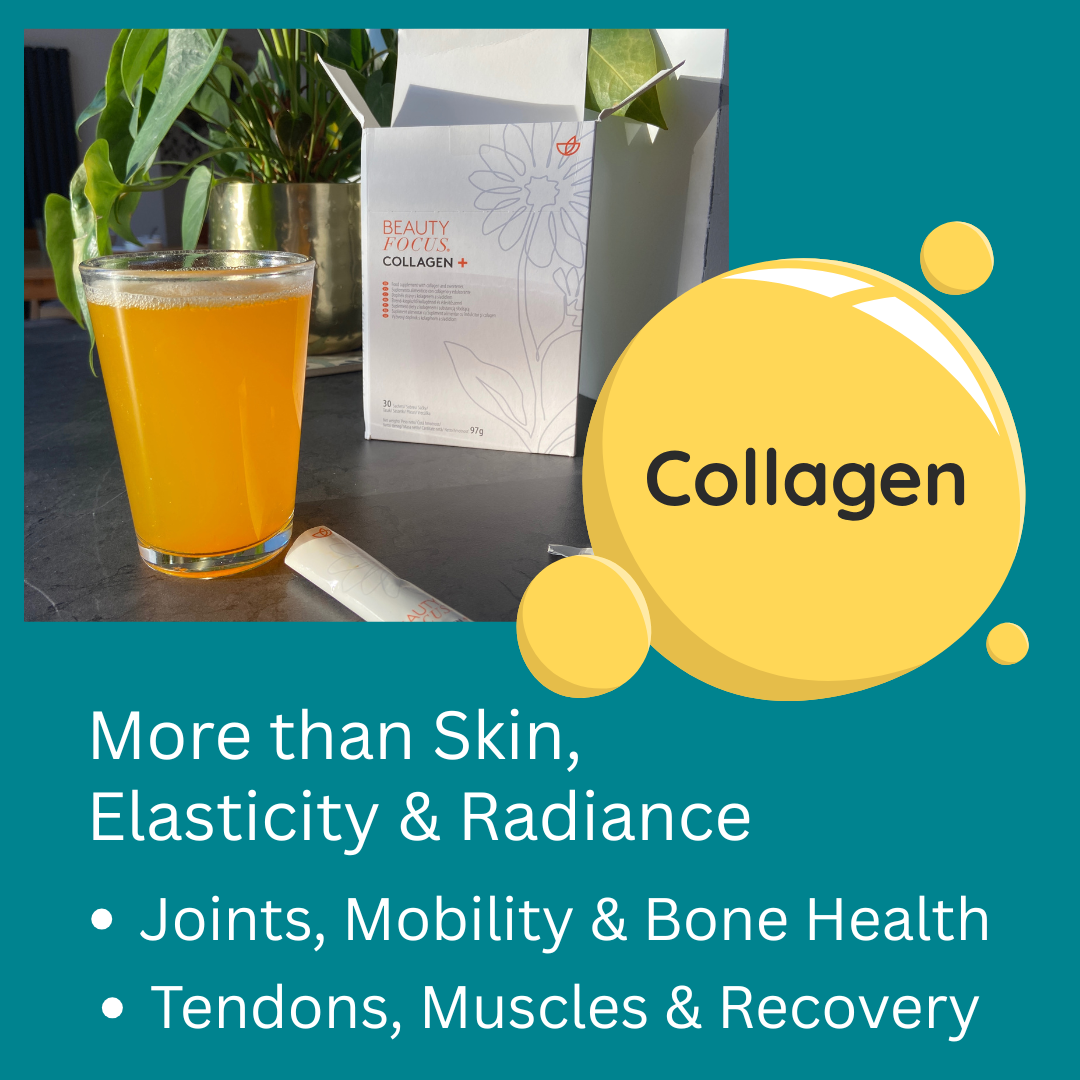
I have decided to add collagen into my daily routine. This is the one I take and highly recommend.
I hope you’ve found this helpful in understanding just how important collagen is for your body, and how small daily choices can make a big difference. If I can support you in any way you know where I am.
Take care, Helen
Helen Manders BSc (Hons) MCSP HCPC
Chartered Physiotherapist Since 2001
P.S. Remember I’m here to help and support you, click here to learn how.