I listened to a brilliant podcast recently while I was at the gym – which felt quite fitting really because I was working on both my physical health and my brain health at the same time.
The podcast was from Mel Robbins and featured neurologists Dr Ayesha Sherzai and Dr Dean Sherzai discussing simple lifestyle habits that may help support brain health and healthy ageing.
As a physiotherapist, I spend a lot of time helping people improve strength, mobility, fitness, and pain levels. But this episode reminded me how important it is to think beyond muscles and joints alone.
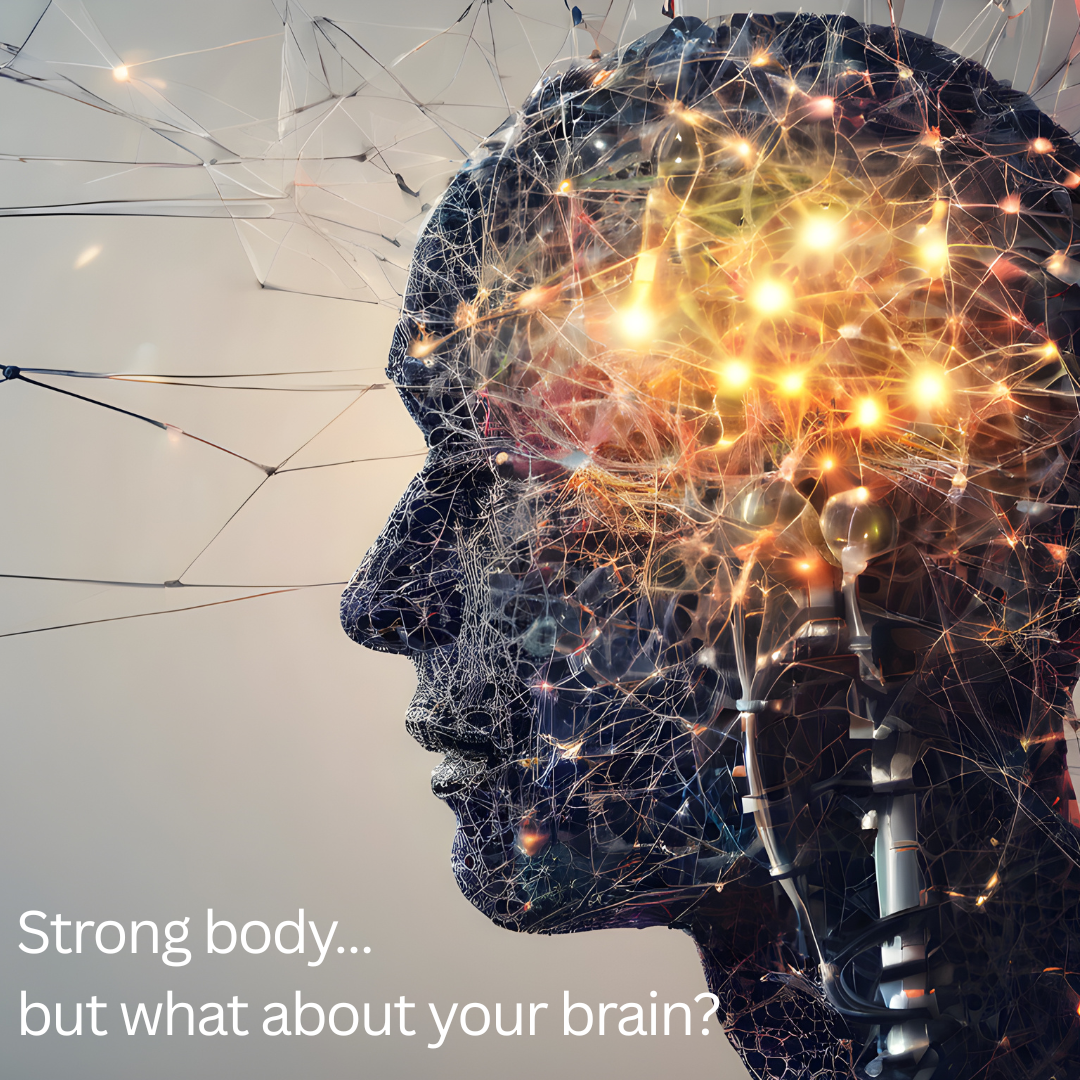
Because staying healthy as we age is not just about our bodies.
It’s also about protecting and supporting the brain.
One of the most helpful parts of the podcast was the simple acronym they used: NEURO.
It stands for:
- N – Nutrition
- E – Exercise
- U – Unwind
- R – Restorative Sleep
- O – Optimise Your Brain
I thought it was such a helpful and memorable way to think about long-term brain health.
N – Nutrition
What we eat affects far more than our waistline or energy levels.
Nutrition plays an important role in brain health too.
The podcast discussed the importance of eating more whole, colourful, nutrient-rich foods and reducing highly processed foods where possible.
Foods that may help support brain health include:
- vegetables
- fruit
- healthy fats
- nuts and seeds
- beans and legumes
- oily fish
- fibre-rich foods
This is not about perfection.
It’s about consistently giving your body and brain better fuel where you can.
E – Exercise
This probably won’t surprise you coming from a physio!
Exercise is one of the most powerful things we can do for both physical and mental wellbeing.
Regular movement may help:
- improve blood flow to the brain
- support memory and learning
- improve mood
- reduce stress
- support sleep
- improve long-term health
And importantly, it does not have to mean intense workouts.
Walking, gardening, cycling, swimming, yoga, strength training, dancing, or simply moving more during the day all count.
One thing I loved was the reminder that exercise is not just helping our muscles and joints.
It may also be helping protect our brains long term too.
U – Unwind
Modern life keeps many people permanently switched on.
Stress, rushing, pressure, screens, busy schedules, poor recovery — over time these things can affect both body and brain.
Sometimes we become so used to stress that we barely notice it anymore.
Making time to unwind matters.
That could include:
- walking outdoors
- reading
- gardening
- breathing exercises
- mindfulness
- socialising
- hobbies
- stretching
- listening to music
- simply slowing down occasionally
Your nervous system needs recovery just as much as your muscles do.
R – Restorative Sleep
Sleep is one of the foundations of good health.
Yet it is often one of the first things people sacrifice.
Poor sleep can affect:
- concentration
- mood
- energy
- memory
- recovery
- stress levels
The brain carries out important repair and restoration processes during sleep.
If you regularly feel exhausted, foggy-headed, irritable, or dependent on caffeine to get through the day, your body may be asking for more rest than it is currently getting.
O – Optimise Your Brain
One of the most encouraging parts of the podcast was the reminder that the brain can continue adapting throughout life.
We are never too old to learn.
Keeping your brain active may help support cognitive function and healthy ageing.
This can include:
- learning new skills
- listening to podcasts
- reading
- puzzles and games
- social interaction
- music
- trying new hobbies
- staying curious
- challenging yourself mentally
Even listening to this podcast while exercising felt like a small investment in my own future brain health.
Strong Body, Strong Brain
This podcast fitted so well with why I created my Strong For Life Assessment.
I wanted it to look beyond simply pain or fitness levels.
Because healthy ageing is about the bigger picture:
- movement
- recovery
- stress
- sleep
- routine
- purpose
- mindset
- physical health
- brain health
It’s about helping people stay active, independent, capable, and healthy for as long as possible.
What Would Your Brain Health Be Like?
It’s an interesting question to ask yourself.
Are you:
- moving regularly?
- sleeping enough?
- constantly stressed?
- challenging your brain?
- making time for your health?
- building habits that support your future self?
Small daily habits really do add up.
And it’s never too late to make positive changes.
Want a Strong For Life Assessment?
The response to my Strong For Life Assessments has been fantastic recently and they’re proving incredibly popular.
Learn more about this service here, and if you’d like one get in touch.

Because being strong for life is not just about muscles and joints.
It’s about your whole health – including your brain.
Take care, Helen
Helen Manders BSc (Hons) MCSP HCPC
Chartered Physiotherapist Since 2001