Antioxidants are much more than “anti-aging” nutrients. They are essential compounds that protect your cells from oxidative stress, a key factor in aging and many chronic diseases.
Oxidative stress occurs when free radicals — unstable molecules generated by normal metabolism, pollution, UV light, smoking, or inflammation — outnumber the body’s natural defenses. Over time, this imbalance can damage DNA, proteins, and lipids, contributing to:
- Cardiovascular disease
- Type 2 diabetes
- Certain cancers
- Neurodegenerative conditions (e.g., Alzheimer’s, Parkinson’s)
- Accelerated joint and connective tissue degeneration
Antioxidants neutralize free radicals, helping to prevent or reduce this damage and support long-term health.
Key Antioxidants and Their Science-Backed Roles
| Antioxidant | Role in Disease Prevention | Food Sources |
|---|---|---|
| Vitamin C | Protects cells from oxidative stress, supports immune function, aids collagen production | Citrus, berries, kiwi, bell peppers, broccoli |
| Vitamin E | Lipid-soluble antioxidant that protects cell membranes and reduces inflammation | Almonds, sunflower seeds, spinach, avocado |
| Carotenoids (beta-carotene, lutein, zeaxanthin) | Protect eyes, skin, and connective tissue from oxidative damage | Carrots, sweet potatoes, kale, spinach, tomatoes |
| Polyphenols | Anti-inflammatory, cardiovascular protection, antioxidant enzyme support | Tea, coffee, dark chocolate, berries, red grapes |
| Selenium | Cofactor for antioxidant enzymes like glutathione peroxidase, supports DNA protection | Brazil nuts, seafood, eggs, whole grains |
Science highlights:
- Meta-analyses show high dietary antioxidant intake is associated with reduced risk of heart disease and stroke.
- Carotenoids and polyphenols have anti-inflammatory and immune-supporting effects, protecting tissues and organs.
- Antioxidants like vitamin C and E protect collagen and connective tissue, supporting joint and skin health.
How Antioxidants Protect Collagen and Connective Tissue
Free radicals can break down collagen and other structural proteins, leading to joint stiffness, cartilage wear, and visible signs of skin aging. Antioxidants step in to neutralise these free radicals, helping preserve the body’s collagen network. This support is vital not only for maintaining mobility and aiding tissue repair but also for keeping skin firm and resilient.
If you’d like to learn more about collagen itself — what it is and how it supports our bodies, and how supplements may support your joints and skin — I’ve written a separate blog that dives deeper into it. Read the collagen blog here.
:
Supporting Your Body with Antioxidants
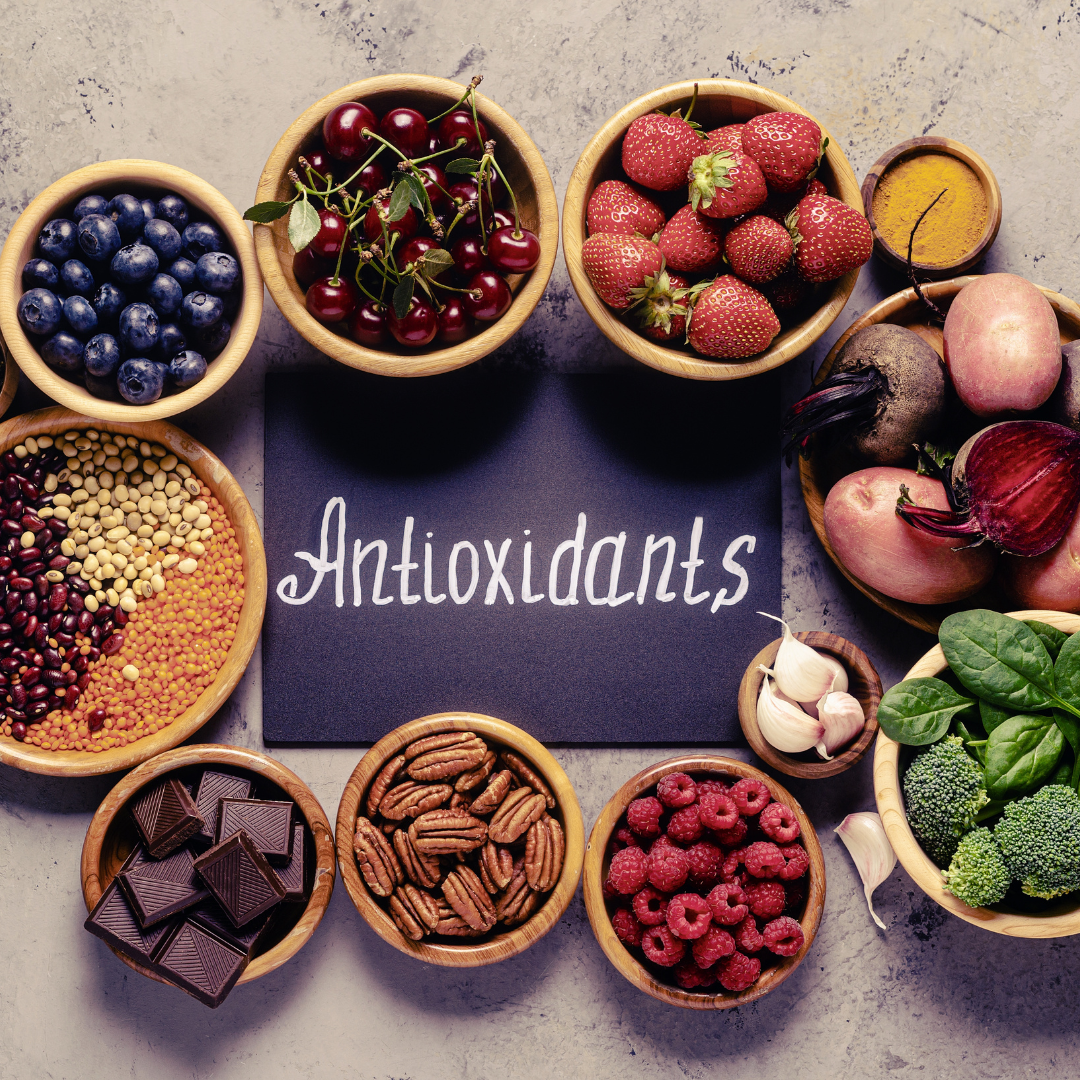
- Eat a diverse diet: Colourful fruits, vegetables, nuts, seeds, and even dark chocolate provide a wide range of antioxidant compounds.
- Stay active: Regular exercise boosts your body’s own antioxidant defenses.
- Limit oxidative stress: Avoid smoking, overexposure to sun, and highly processed foods.
- Targeted supplementation: In some cases, supplements can support antioxidant levels, particularly when diet alone is insufficient. These products provide a potent mix of antioxidants to help your body stay protected when diet alone isn’t enough.
Bottom Line
Antioxidants are critical for fighting oxidative stress, supporting immune function, protecting collagen, and reducing the risk of chronic disease. By combining antioxidant-rich foods with a healthy lifestyle, you give your body the tools to protect cells, tissues, and overall health.
I hope you have found this helpful, health starts from the inside. If you need my help or support you know where I am.
Take care, Helen
Helen Manders BSc (Hons) MCSP HCPC
Chartered Physiotherapist Since 2001
P.S. Click here to learn how I can support you.