
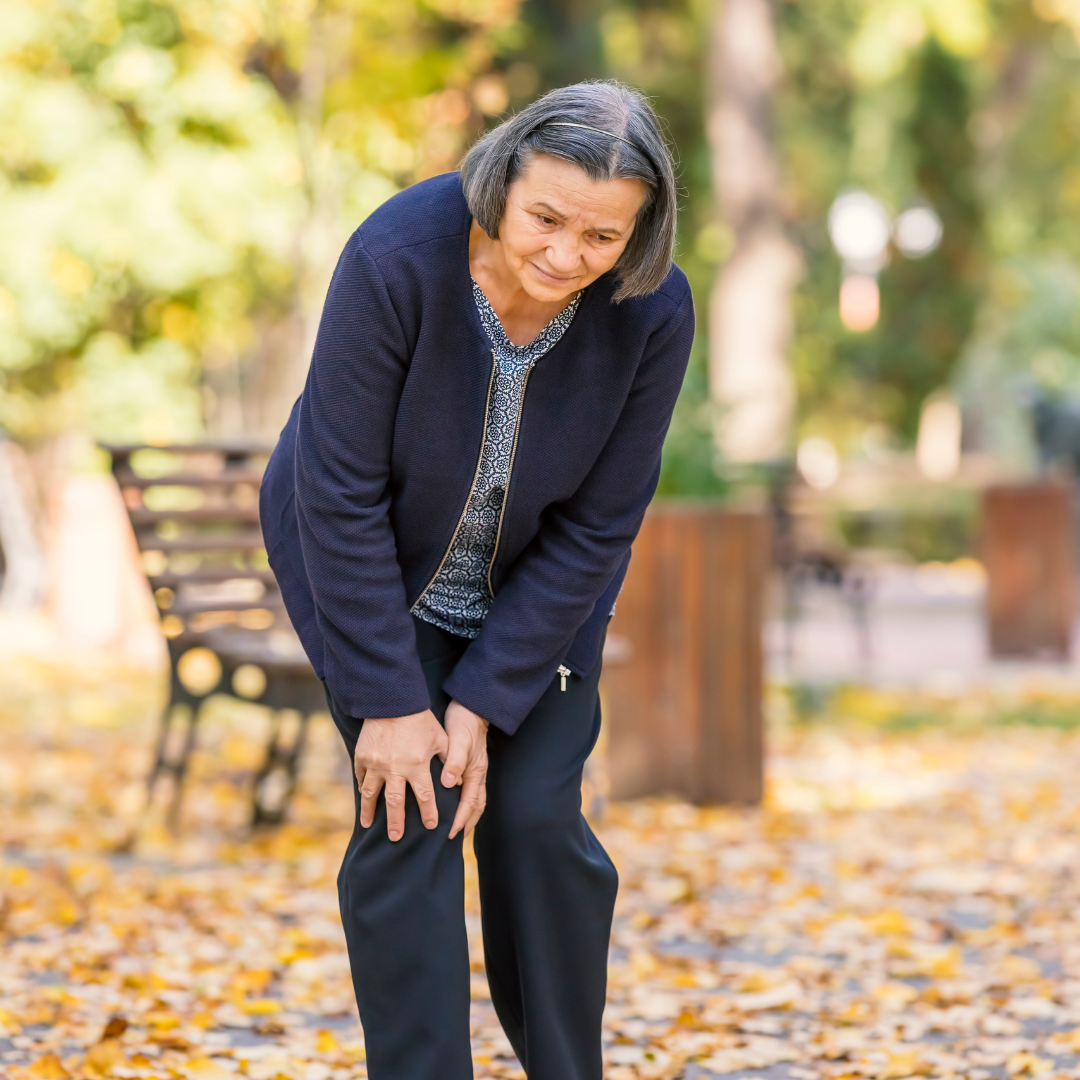
Is Walking Making Your Knee Worse? You’re Not Alone
Walking is supposed to be good for you… right?
So why does it sometimes feel like every step aggravates your knee arthritis?
- Your knee flares up after a short walk
- Pain lingers for hours or even days
- You’re wondering if walking is actually “damaging” your knee
If this sounds familiar, take a breath – your knee is not failing you.
Most of the time, walking itself isn’t the problem. It’s how your knee is being loaded, combined with muscle weakness, footwear, and past flare-ups.
Why Walking Can Aggravate an Arthritic Knee
1. Too Much, Too Soon
A sudden increase in steps or walking distance can overload your knee. Even if your knee tolerated small walks, a long walk or a hill can trigger a flare.
2. Poor Load Tolerance
Your knee needs time to adapt. If it hasn’t been conditioned to handle repeated stress, normal walking can feel like too much.
3. Lack of Strength
Strong muscles around the knee – particularly quadriceps, glutes, and hips – absorb forces that would otherwise stress the joint. Weakness here can make walking painful.
4. Past Flare-Ups
If your knee recently flared, it may be more sensitive for days or weeks – due to underlying inflammation. Walking during this period can trigger more pain.
Should You Stop Walking?
In almost all cases: no.
Completely avoiding walking can:
- Increase stiffness
- Reduce muscle support
- Make pain worse over time
Instead, the goal is to walk smarter, not stop altogether.
How to Walk Without Flaring Your Knee
1. Find Your Baseline
Determine how far you can walk without triggering a significant flare. This is your safe starting point.
2. Keep it Consistent
Instead of long sporadic walks, try shorter, regular walks. Your knee adapts better to steady, controlled activity.
3. Build Slowly
Increase distance or intensity gradually. Think 10% extra per week rather than doubling your steps overnight.
4. Support Your Knee With Strength
Focus on:
- Quadriceps
- Glutes
- Hip stabilisers
Strengthening these muscles reduces pressure on your joint.
5. Consider Walking Aids
Walking poles, a stick/cane, or crutch can:
- Reduce joint load
- Improve balance and stability
- Make longer walks more comfortable
Even a small aid can help you walk farther and safer, without triggering a flare-up.
Should You Use a Stick or Crutch for Arthritic Knees? Pros & Cons Explained
Small Changes That Make a Big Difference
- Wear supportive, cushioned shoes (or orthotics if needed)
- Avoid long downhill walks at first
- Take breaks or shorter sessions if needed
- Consider walking poles for extra support
Curious about footwear? Check out my guide on the best walking shoes for arthritic knees for recommendations that can make walking less painful.
The Best Shoes for Arthritic Knees: Physio-Approved Picks That Can Actually Help
Quick Self-Check: Are You Doing This Right?
Ask yourself:
- Does my knee flare after every walk?
- Am I walking further than I can tolerate?
- Are my muscles strong enough to support my knee?
- Am I giving my knee enough recovery?
If you answered “yes” to any of these – it’s a signal to adjust your routine.
If You’re Serious About Improving Your Knee
Walking safely is just one piece of the puzzle. If you want structured guidance to calm flare-ups, strengthen your knee, and get back in control, I’ve created:
Free Arthritic Knee Masterclass
- How to settle flare-ups quickly
- What exercises help (and what to avoid)
- Step-by-step strategies to gradually rebuild strength
[Watch the free masterclass here]
Take Control With My Online Program
If you’re ready for a full structured plan to get your knee stronger and more stable, you can also take a look at my paid online program here:
- Guided exercises
- Clear progression plan
- Support to avoid flare-ups
[View the full online program here]
Final Thoughts
Walking is not the enemy — it’s a tool to help you rebuild strength and confidence in your knee.
The key is to start at your level, progress gradually, and strengthen your supporting muscles.
Once you do that, walking can go from painful and frustrating… to a key part of your recovery and long-term knee health.
Take care, Helen
Helen Manders BSc (Hons) MCSP HCPC
Chartered Physiotherapist
Treating Arthritic Knees Since 2001
P.S. If you’re feeling a bit stuck and not sure what to do next, I’ve put together a free masterclass to guide you through it step by step.
And if you’re ready to properly take control of your knee and want a clear plan to follow, you can take a look at my full online program here.