

Introduction
Standing desks can improve posture, reduce back pain, and keep you more active at work — but only if used correctly. Many people make the mistake of standing all day or using poor posture, which can lead to discomfort or even pain. I see a lot of people switch to a standing desk expecting relief…
only to find their back pain is exactly the same – or worse.
In this guide, we’ll show you how to use your standing desk safely, including posture tips, optimal sit-stand ratios, stretches, and accessories to maximize comfort.
(For a complete overview of standing desks and their benefits, see our Complete Guide to Standing Desks. To choose the right desk for you, check out our Guide to Choosing the Perfect Standing Desk.)
1. Sit-Stand Ratios: Finding the Right Balance
Experts recommend alternating between sitting and standing throughout the day rather than standing continuously.
- Start small: Begin with 20–30 minutes of standing every hour.
- Gradually increase: Add more standing time as your body adapts.
- Listen to your body: Discomfort is a cue to sit, stretch, or move.
2. Perfect Your Posture While Standing
Even with a standing desk, posture matters:
- Feet: Keep them hip-width apart and distribute weight evenly.
- Knees: Slightly bent, not locked.
- Hips and Core: Engage gently to support your spine.
- Shoulders: Relaxed and down, not rounded forward.
- Chest: Lifted.
- Monitor: Top of the screen at eye level, about an arm’s length away.
- Keyboard & Mouse: Elbows at roughly 90°, wrists straight.
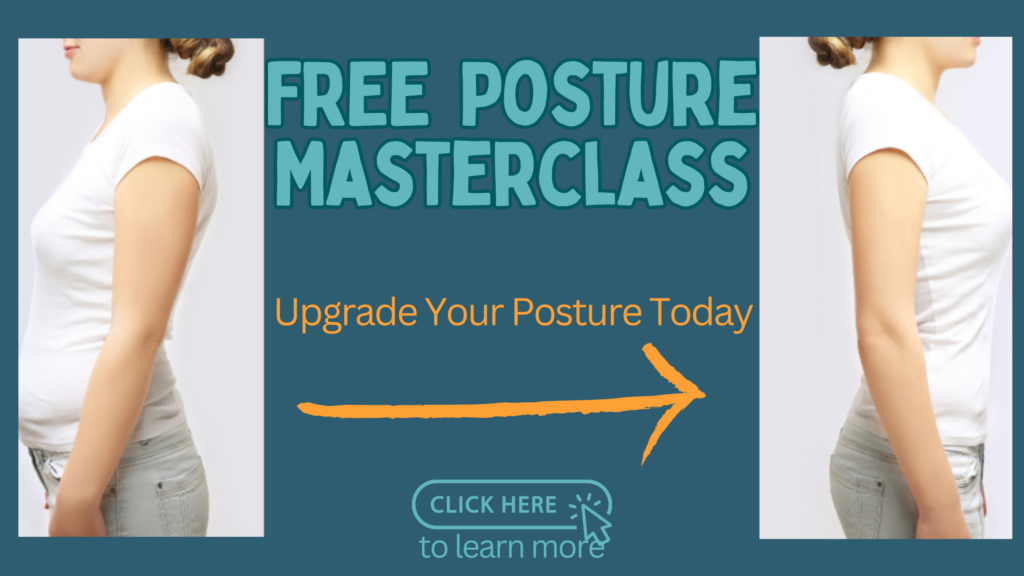
Join my FREE masterclass and upgrade your posture today.
3. Accessories That Make a Difference
- Anti-Fatigue Mats: Reduce strain on feet, legs, and lower back. Learn more in this blog.
- Supportive Footwear: Cushioned shoes or orthotics help reduce discomfort. Avoid barefeet.
- Monitor Arms: Adjust screen height without bending your neck.
- Standing Desk Stools or Leaning Chairs: Take partial weight off legs when needed. Learn more in this blog.
4. Movement and Stretching
Standing still for too long can be just as bad as sitting all day. Try these:
- Shift weight frequently: Move from heel to toe or side to side. Raise up and down on your toes.
- Short walks: Walk for a few minutes every hour.
- Stretch breaks: Focus on calves, hamstrings, hip flexors, and shoulders.
- Core activation: Gentle contractions while standing support spinal health.
5. Common Mistakes to Avoid
- Standing all day: Leads to fatigue and foot or leg pain.
- Slouching or leaning: Negates the benefits of standing.
- Ignoring footwear or mats: Increases strain on lower body.
- Not adjusting monitor height: Can cause neck or shoulder pain.
Final Thoughts
Using a standing desk effectively is all about balance, movement, and posture. By alternating between sitting and standing, incorporating supportive accessories, and taking regular breaks to move and stretch, you can enjoy the benefits of a standing desk without discomfort.
Next Steps:
- Learn about choosing the perfect standing desk to match your workspace and needs.
- Explore the complete guide to standing desks for health benefits, risks, and more expert tips.
Take care, Helen
Helen Manders BSc (Hons) MCSP HCPC
Chartered Physiotherapist Since 2001
Struggling with back pain?