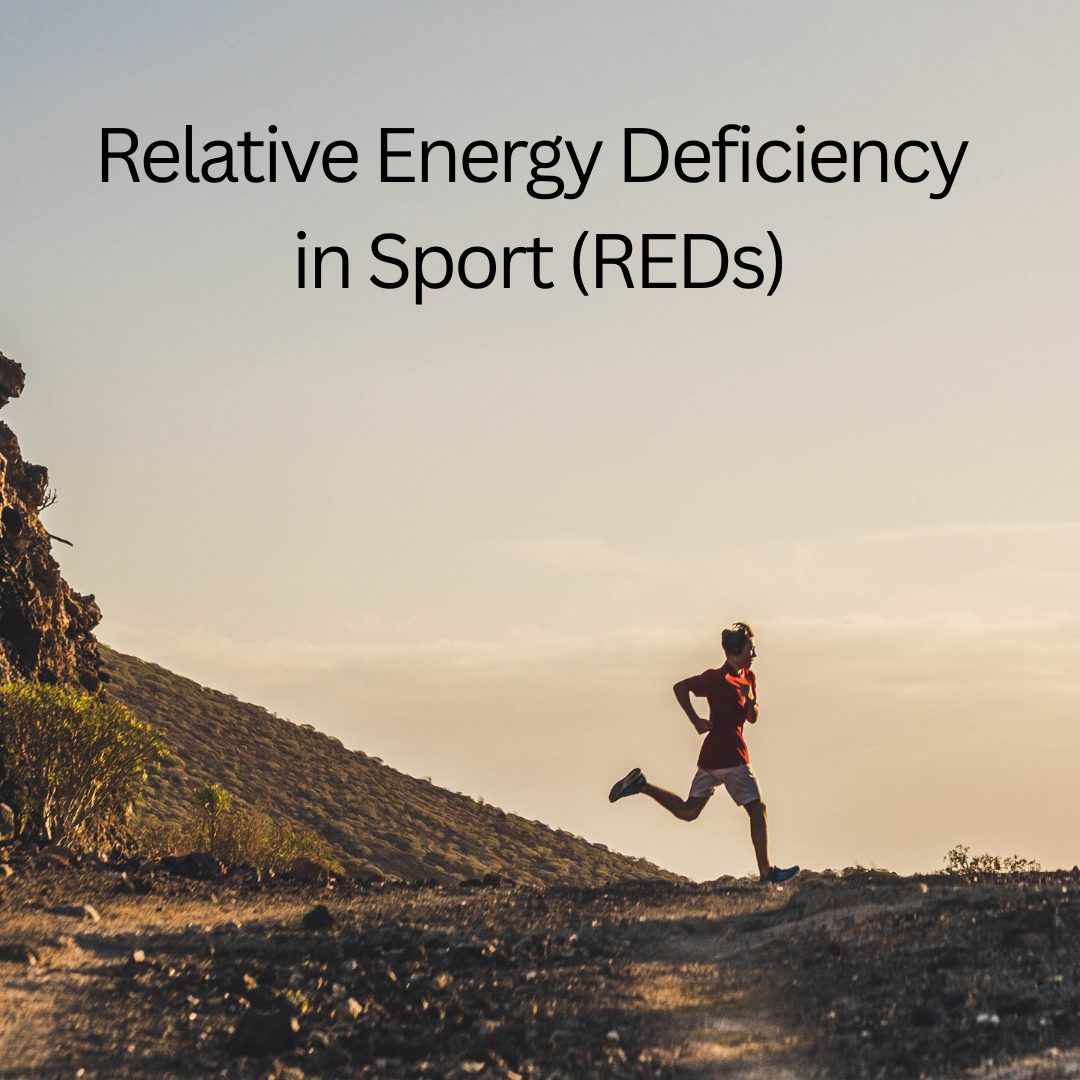
If you train regularly – whether that’s running, cycling, lifting, dancing, swimming, or hitting classes at the gym – you’ve probably heard the phrase “fuel your body.” But one issue many athletes and exercisers still aren’t aware of is RED-S, or Relative Energy Deficiency in Sport.
It’s not just a problem for elite athletes. Anyone who trains with intensity, consistency, or passion can be affected – and often without realising it.
What is RED-S?
RED-S happens when your body isn’t getting enough energy (food) to support both your training and your everyday bodily functions.
Your body is clever. When you don’t give it enough fuel, it starts rationing energy for the essentials: breathing, staying alive, basic function. But the “non-essentials” – like hormone production, bone repair, immune system strength, and recovery – get dialled down or switched off.
That’s when problems start.
Why does RED-S matter?
Because energy affects everything.
Some of the signs and consequences of RED-S include:
Physical signs
- Persistent fatigue
- Decreased performance despite training harder
- Recurrent injuries, especially stress fractures
- Weakened immune system (frequent colds, slow healing)
- Muscle loss or strength plateau
Hormonal & internal signs
- Menstrual disruption or loss of periods in females
- Low libido or decreased testosterone in males
- Disrupted sleep
- Low mood, irritability, or increased anxiety
Long-term effects
- Compromised bone health
- Increased injury risk
- Chronic under-performance
- Higher stress and burnout
RED-S is not just a “food issue” – it’s a health, performance, and wellbeing issue.
Who is most at risk?
You might think RED-S affects only under-eating athletes or people with diagnosed eating disorders. In reality, the risk group is much wider:
- Endurance athletes (running, triathlon, cycling)
- Athletes doing high-volume or high-intensity training
- People who “train through tiredness”
- Exercisers who increase training without increasing nutrition
- Anyone who feels they must earn food or restrict it to achieve body goals
Even dedicated, knowledgeable athletes with the best intentions can fall into low-energy availability without noticing.
Why RED-S often goes unnoticed
Because many of the early signs look like “normal training tiredness”:
- Feeling sluggish? Must be overtraining.
- Not performing well? Maybe work harder.
- No appetite? Training must be making you leaner.
- Injury niggle? Just part of the sport.
RED-S hides behind explanations we accept too easily. That’s why awareness matters.
What you can do to protect yourself
1. Fuel consistently and intentionally
Think of energy as training equipment. If you wouldn’t run in broken shoes, don’t train on an empty tank.
Include carbohydrates before and after training, regular protein through the day, and don’t skip meals.
Click here to learn how to Fuel like a Champ.
2. Listen to your body’s early signals
Fatigue, irritability, disrupted sleep, or a sudden performance dip are not “normal.” They are red flags.
3. Respect recovery
Rest days are a training tool, not a weakness.
4. Seek guidance if you’re unsure
Coaches, sports dietitians, and health professionals can help you spot RED-S early – especially if symptoms overlap with other issues.
At risk of RED-S? Try this self-check tool from Project RED-S
5. Learn more
Project RED-S offers brilliant athlete-friendly explanations, checklists, and a powerful video that breaks the topic down clearly. Project RED-S website (the video on the home page is amazing)
Final thought: Train strong, not just hard
RED-S isn’t about training less – it’s about supporting your body so it can do what you’re asking of it.
Energy is not optional. It’s the foundation of performance, health, and long-term enjoyment of your sport.
If you train, you should know about RED-S. And if you know about it, you can prevent it. Share this with others that may benefit.
Take care, Helen
Helen Manders BSc (Hons) MCSP HCPC
Chartered Physiotherapist Since 2001
Struggling with pain or injury I would LOVE to help. Find out how I can do this here.