As a physiotherapist, I spend a lot of time talking to people about pain, setbacks, frustration and feeling stuck, physically, mentally, or both. And one thing I’ve learned over the years is this:
Real change doesn’t usually start with doing more.
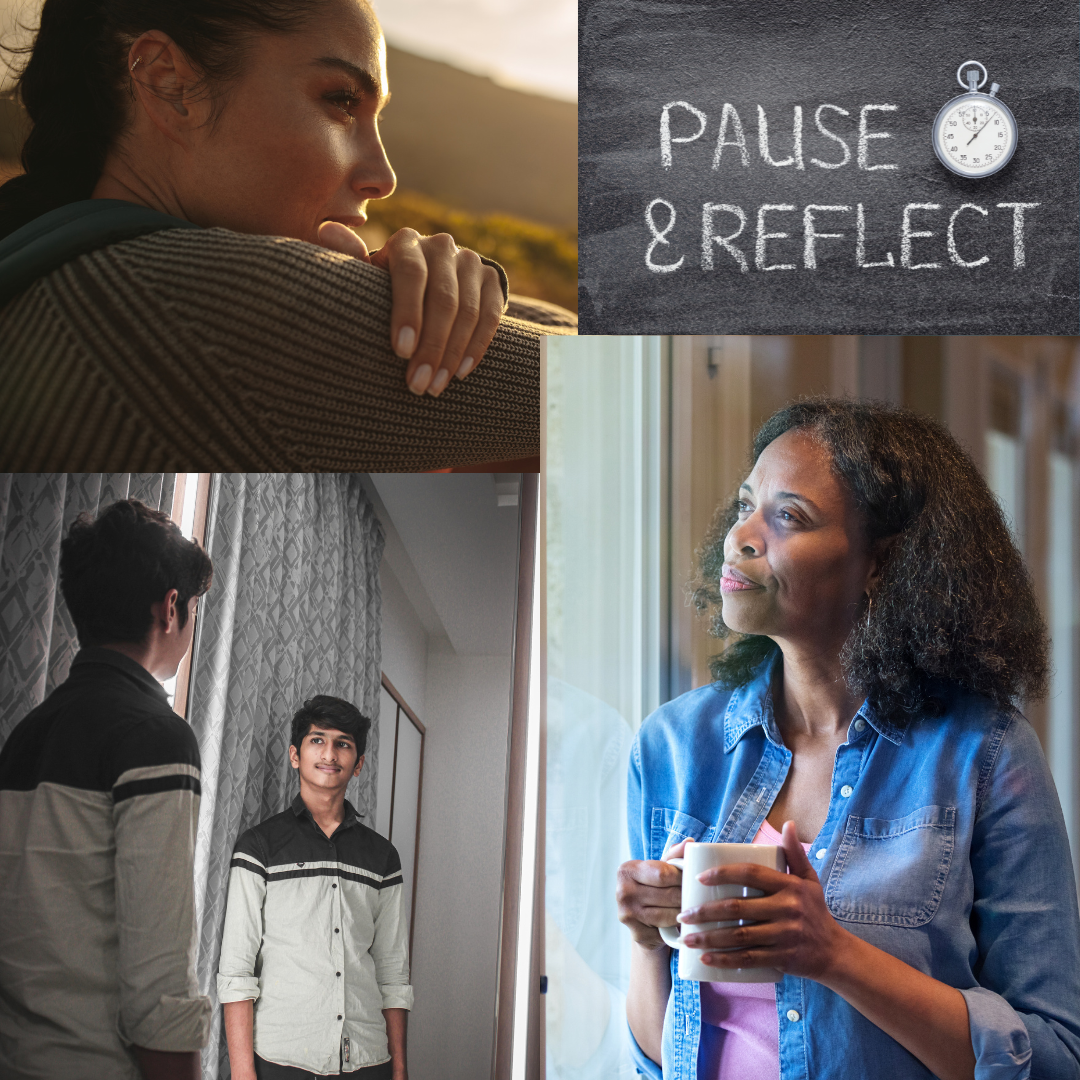
It starts with pausing, reflecting, and choosing what to carry forward and what to leave behind.
That’s why Mel Robbins’ recent podcast episode on how to make 2026 your best year yet really struck a chord with me.
I listened to it, completed the reflection exercise myself, and honestly found it incredibly useful. So useful, in fact, that I immediately thought: so many of my patients would benefit from this.
This blog is my take on that exercise; why it works, how to do it, and how it links so closely with physical health, pain recovery, and long-term wellbeing.
Why Reflection Matters More Than Goal Setting
Many people approach a new year by setting goals:
- Exercise more
- Lose weight
- Be less stressed
- Finally “fix” their pain
But without reflection, goals often become:
- Overwhelming
- Unrealistic
- Short-lived
Reflection helps you understand what’s actually been shaping your life, rather than just reacting to it.
And that’s one of the things I loved most about this approach, it’s not about pushing harder. It’s about becoming more intentional.
The Core Question: What Actually Shaped Your Year?
One of the key ideas from Mel Robbins’ podcast is to look back and ask:
What did I consistently spend time, energy, and attention on this year?
Not what you planned to focus on.
Not what you wish you’d focused on.
But what truly filled your days.
When I work with patients in pain, this is often a lightbulb moment. Because pain doesn’t exist in isolation, it’s influenced by stress, sleep, movement habits, workload, mindset, and emotional load.
Reflection makes those patterns visible.
The “Keep, Stop, Start” Reflection Exercise
This is the exercise I completed myself, and the one I’d genuinely encourage you to try.
1. What Do You Want to Keep in 2026?
These are the things that served you well:
- Habits that supported your health
- Relationships that energised you
- Routines that reduced stress
- Movement that felt good rather than punishing
For many of my patients, this might include:
- Gentle but consistent exercise
- Walking more
- Being kinder to their body during flare-ups
- Finally listening to pain signals rather than fighting them
I want to prioritise my daily walks again. They’re often the first thing to go when I’m busy or the weather isn’t great – exactly what’s happened over the past few weeks. Making them a priority again over the last few days has reminded me why they matter so much to me.
This reflection has also made me feel genuinely proud of how much I’ve already achieved. I’ve started some really positive habits and I want to keep them going – continuing to improve my nutrition by prioritising protein and eating a wide range of colourful foods, sticking with my collagen, and maintaining my new self-care routine, which has been a lovely way to start and end the day. I’m also keen to continue & complete my nutrition in health course and help others improve their own nutrition.
Keep what worked. Even if it feels small.
2. What Do You Want to Stop Carrying Forward?
This is often the most powerful (and uncomfortable) part.
Think about:
- Habits that drained you
- Self-talk that held you back
- Expectations that were unrealistic
- The “all or nothing” mindset
In pain recovery, this often looks like:
- Pushing through pain out of fear
- Waiting for a “perfect time” to start
- Comparing your body to how it used to be
I’m going to stop overthinking and start writing. I often carry blog ideas around in my head for days, which wastes time and energy. When I notice this happening, I’m going to make a start and write.
Stopping something doesn’t mean failure, it means learning.
3. What Do You Want to Start (Gently)?
This is not about overhauling your life.
Instead, ask:
- What’s one supportive habit I could introduce?
- What would make my body feel safer and stronger?
- What would help me feel more in control of my health?
For some people, that might be:
- A short daily mobility routine
- Strengthening instead of resting endlessly
- Asking for help earlier
- Investing in guidance rather than guessing
I’m going to start resistance training properly. The evidence is clear, and while I do some already, it’s not enough to get the full benefits. It’s been in the back of my mind for a while, and this reflection helped me recognise it’s time to act.
Small, consistent actions beat big, unsustainable plans every time.
Why This Works So Well for Pain, Health & Wellbeing
What I love about this reflection process is how closely it aligns with what we know about long-term recovery and resilience.
Pain improves when people:
- Feel empowered rather than helpless
- Understand their patterns
- Reduce fear around movement
- Build trust in their body again
Reflection helps you move from:
“Why is this happening to me?”
to
“What can I do differently going forward?”
That shift alone can be incredibly powerful.
I Did This Exercise Myself – That’s Why I’m Sharing It
I’m a big believer in personal development and reflection – and I don’t recommend tools lightly.
I completed this exercise myself, honestly and without rushing it. And I came away with:
- More clarity
- Less pressure
- A stronger sense of direction
That’s why I wanted to share it here because I know how many people feel stuck, frustrated, or worn down by recurring pain or health challenges.
Sometimes the next step isn’t a new treatment.
It’s a new way of thinking forward.
A Gentle Reminder If You’re Feeling Stuck or Fed Up
If you’re reading this while dealing with ongoing pain, stiffness, or frustration with your body, I want you to know this:
You don’t need to have everything figured out to move forward.
You don’t need perfect motivation.
And you certainly don’t need to wait until you feel “ready”.
What does help is clarity, understanding what’s been helping, what’s been holding you back, and what small changes could make the biggest difference going forward.
That’s why I love reflection tools like this one. They create space to pause, reset, and move forward with intention rather than pressure.
How I Can Support You Going Into 2026
If, as you reflect, you realise you’d like some guidance with your body, movement, or pain, there are a few ways I can help.
I work with people face to face in the clinic, supporting recovery from pain, injuries, and long-standing niggles with personalised physiotherapy care.
I also offer a range of online programmes and masterclasses, designed to help you:
- Understand what’s driving your pain
- Avoid common mistakes that keep people stuck
- Build strength and confidence safely
- Move forward at your own pace, from home
Many people find these a great starting point or a helpful complement to in-person treatment.
Click here to find out how I can support you.
Moving Forward, Not Starting Over
Making 2026 your best year yet doesn’t require a dramatic overhaul.
It starts with:
- Keeping what already supports you
- Letting go of what no longer serves you
- Choosing one or two changes that feel achievable and kind to your body
Reflection is the first step and support is there if you want it.
Take care, Helen
Helen Manders BSc (Hons) MCSP HCPC
Chartered Physiotherapist Since 2001
P.S. don’t forget I’m here to support you if you need. I would love to help.