A Story Worth Sharing
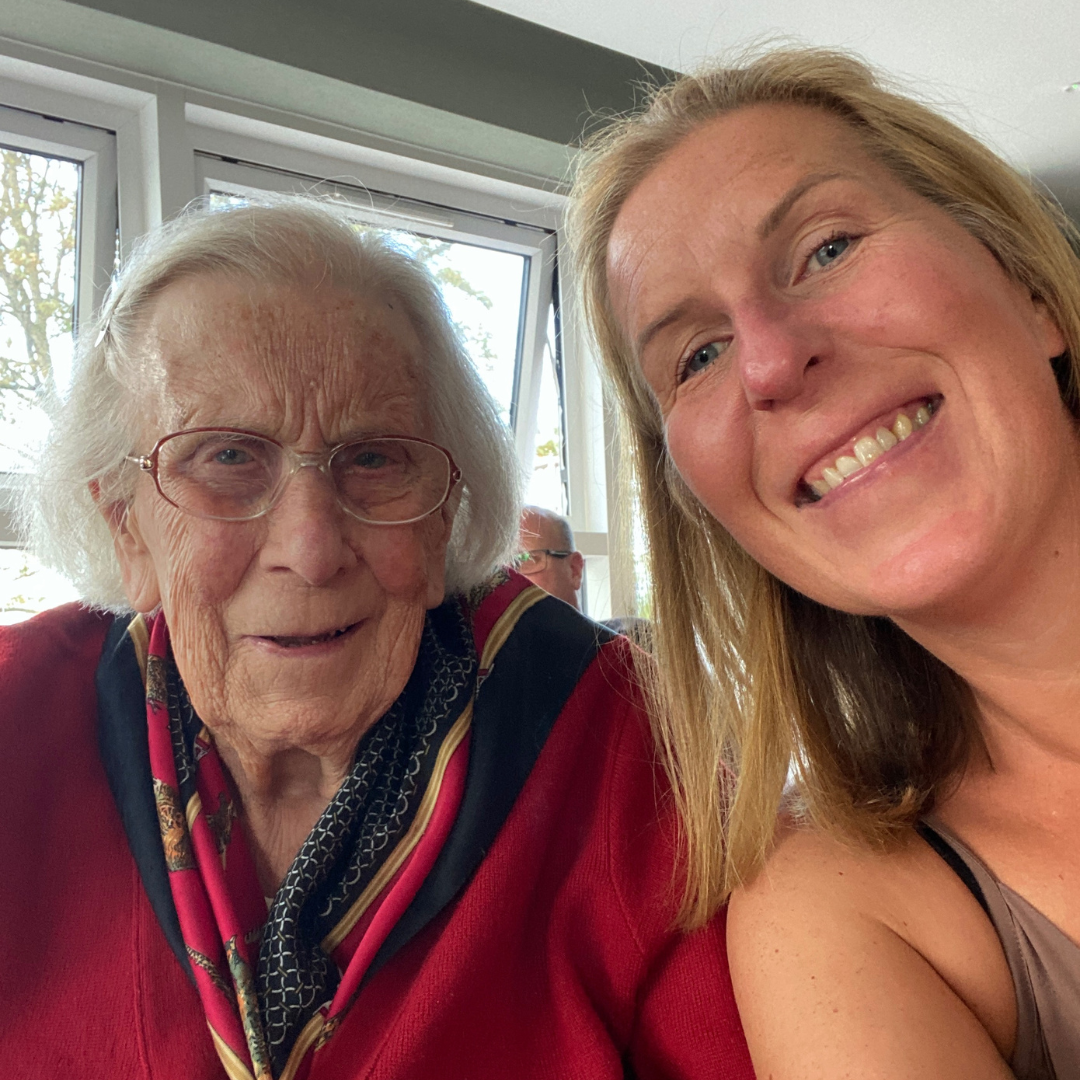
This week, my Nana turned 99 years old. Nearly a whole century on this earth—and she’s still full of life, resilience, and a sharp mind.
As a physiotherapist, I’ve seen many people struggle with mobility and pain as they age. But my Nana’s milestone made me reflect on what helps us thrive into later years—not just surviving, but enjoying life with independence, joy, and purpose.
So today, I’m sharing five proven longevity tips that can make all the difference. These are inspired by her lifestyle as a farmer’s wife—filled with fresh air, wholesome food, and community—but they’re also backed by modern research in healthy ageing.
1. Keep Moving—Every Single Day
Movement is medicine.
And my Nana embodied this naturally. She didn’t do gym sessions or fancy fitness classes, but farm life meant daily physical activity: tending animals, walking the fields, gardening – growing their own fruit and veg, and keeping her home.
Research shows that regular movement reduces the risk of heart disease, diabetes, dementia, and premature death. Even short bursts of walking or light chores can protect mobility.
The key isn’t intense workouts—it’s consistency. Movement should be woven into everyday life, not treated as an optional extra.
💡 Try this:
- Break up sitting with a 5-minute walk every hour.
- Take the stairs instead of the lift.
- Add a walk after meals—great for digestion and circulation.
Over time, these small steps add up to a lifestyle that protects your body for decades.
2. Prioritise Strong Muscles & Bones
A lot of people believe weakness, falls, or fragile bones are just part of ageing. But in reality, muscle loss (sarcopenia) and bone thinning (osteoporosis) can be slowed—or even reversed—with the right approach.
My Nana never touched a dumbbell, but she kept strong by lifting, bending, and carrying through her daily routines. Until just six months ago, she was still looking after herself.
Research confirms that strength training—even light resistance or bodyweight exercise—helps maintain independence and reduces fall risk.
💡 Try this:
- Twice a week, practise sit-to-stands from a chair. Challenge yourself more rather than just sitting lightly touch your bum on the seat then stand back up. This is great for strength and balance.
- Use resistance bands for simple arm and leg exercises.
- Carry your shopping bags (safely) instead of always relying on a trolley.
Muscles and bones thrive on use. “Use it or lose it” really is true here.
3. Stay Connected & Keep Your Mind Engaged
Healthy ageing isn’t just physical—it’s deeply mental and social too.
Longevity research highlights that staying socially connected and mentally active is one of the strongest predictors of longer life and reduced dementia risk.
My Nana is living proof. She plays bridge, does word searches, and follows tennis, cricket, snooker, darts and horse racing. These activities challenge her mind and connect her to a wider world.
💡 Try this:
- Join a local club or group (book club, gardening, walking).
- Challenge yourself with puzzles, games, or a new skill.
- Stay curious—read, follow the news, or learn something new.
A busy brain is a protective brain.
4. Nourish Your Body Fully (But Don’t Forget the Treats!)
Nutrition is the foundation of health. A diet rich in vegetables, fruits, wholegrains, legumes, fish, lean protein, and healthy fats supports brain health, protects bones, and keeps inflammation low.
My Nana grew up on homegrown vegetables, simple stews, and fresh produce. Her diet wasn’t fancy—it was balanced and wholesome. She also enjoyed the occasional treat with her cup of tea—we are a family of home bakers!
Science backs this up: the Mediterranean diet is one of the best-studied eating patterns for healthy ageing. It reduces risks of heart disease, cognitive decline, and chronic inflammation.
💡 Try this:
- Fill half your plate with vegetables at every meal.
- Add protein (fish, beans, eggs, or lean meat) to preserve muscle.
- Swap processed snacks for nuts, fruit, or yoghurt.
Food is fuel—but it’s also joy. A small daily indulgence is part of a long, happy life.
5. Address Aches Early—Don’t Accept “It’s Just Age”
One of the biggest myths I hear as a physiotherapist is: “Oh well, it’s just my age.” Just this week I have heard it 3 times in clinic!
It isn’t. Pain and stiffness aren’t inevitable—they’re signs your body needs attention. The earlier you act, the more you can reduce pain, prevent mobility loss, and protect independence.
My Nana had never been in hospital until she was 98! She managed her health by staying active and not letting little aches stop her from moving. She might be stiff when she got up but she would say “I’ll be right, I just need to get moving – I’ve just been sat to long”
If you’ve got niggles—back pain, sore knees, stiff hips—don’t ignore them. Movement, targeted exercise, and physiotherapy can help enormously.
That’s why I created the Pain-Free Body Program—a full-body online plan to help you address niggles, restore movement, and keep doing the things you love.
👉 Learn more about the Pain-Free Body Program here
The Bigger Picture: It’s About Better Years, Not Just More Years
Living to 99 like my Nana is inspiring—but the real goal isn’t just years in your life. It’s life in your years.
And the good news? Healthy ageing doesn’t require extreme routines. It’s about the small, consistent habits you build daily:
- Move your body.
- Strengthen your muscles.
- Stay mentally and socially active.
- Eat well, enjoy treats.
- Address niggles before they become problems.
If my Nana has taught me anything, it’s that ageing well is less about luck and more about the choices we make each day. You don’t need perfection—you just need persistence, patience, and a little bit of joy along the way. Whether you’re 40, 60, or 90, it’s never too late to start weaving these habits into your life. Your future self will thank you—and who knows, maybe one day you’ll be the one blowing out 99 candles with a smile.
Take care, Helen
Helen Manders BSc (Hons) MCSP HCPC
Chartered Physiotherapist Since 2001